
FRAMEWORK

Strengthen HIPAA Security with NIST SP 800-66

NIST SP 800-66 provides practical cybersecurity guidance to help HIPAA-regulated entities safeguard electronic protected health information (ePHI) and implement the HIPAA Security Rule.

SAI360 helps organizations connect security requirements to risks, controls, and evidence, strengthening visibility, simplifying compliance activities, and maintaining confidence that sensitive health information remains protected.
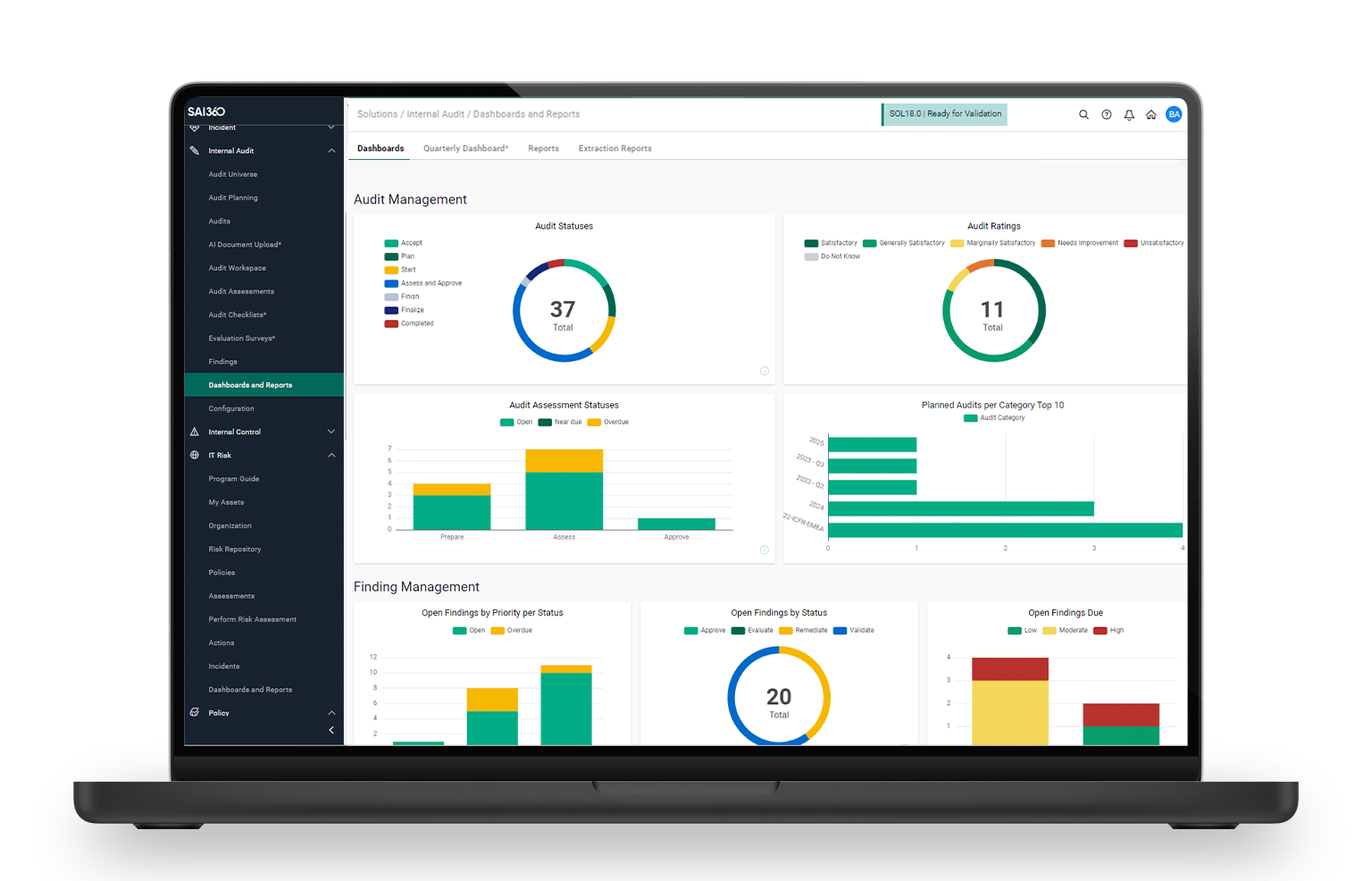
Internal Audit
  • THE CHALLENGE

Protecting ePHI Requires Continuous Risk Management

Safeguarding electronic protected health information requires more than implementing security safeguards once. HIPAA-regulated entities must understand where ePHI resides, identify reasonably anticipated threats and vulnerabilities, assess risk, and implement reasonable and appropriate measures to protect the confidentiality, integrity, and availability of sensitive health information.

Managing these activities across spreadsheets, emails, and disconnected systems makes it difficult to maintain a consistent view of security risk. Teams spend valuable time gathering evidence, tracking assessments, monitoring remediation activities, and determining whether safeguards remain effective as technologies, threats, and healthcare environments change.

A connected approach gives organizations continuous visibility into ePHI risks, safeguards, assessments, findings, and supporting evidence. By bringing these activities together, healthcare organizations can strengthen accountability, address security gaps earlier, and maintain a more defensible approach to implementing the HIPAA Security Rule.

Centralize HIPAA Security Evidence

Bring security assessments, safeguards, findings, and supporting evidence together in one connected platform. Reduce time spent gathering scattered documentation and improve traceability across your HIPAA Security Rule program.

Strengthen Security Accountability

Connect ePHI risks and security requirements to controls, owners, findings, and remediation activities. Establish clear accountability and give teams greater visibility into how identified risks are being addressed.

Maintain Continuous Security Readiness

Keep assessments, evidence, remediation activities, and control status current as systems and risks evolve. Identify gaps earlier and maintain a defensible record of your efforts to safeguard ePHI.

  • THE SAI360 DIFFERENCE

Strengthen Security Rule Compliance with Connected Risk Management
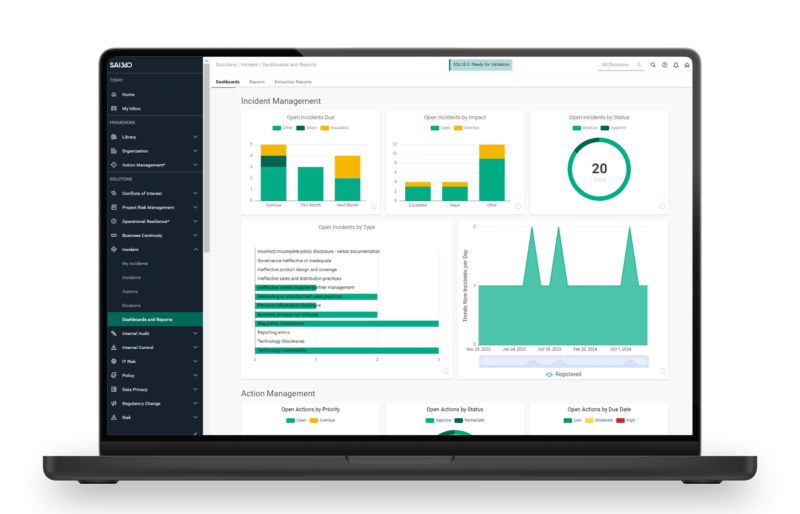
Incident Management
  • SUPPORTING MODULES

Support Your NIST SP 800-66 Compliance Program

Connect cybersecurity, data, and infrastructure risk to strengthen governance and support continuous compliance.

Drive continuous compliance and assurance by demonstrating effective internal controls through automated monitoring and connected evidence.

Centralize and automate your end-to-end policy lifecycle with streamlined approvals, automated attestation tracking, and greater accountability.
Manage third-party risk with centralized onboarding, continuous monitoring, and connected oversight across your vendor ecosystem.

Stay ahead of regulatory change by monitoring evolving requirements, mapping obligations to risks and controls, and automating compliance workflows.

Strengthen incident response by centralizing incident capture, streamlining investigations, and connecting trends to risk for faster, more informed action.

Ready to Strengthen Your HIPAA Security Program?

See how SAI360 helps connect ePHI risks, security requirements, controls, and evidence to simplify HIPAA Security Rule compliance and strengthen cybersecurity oversight.


  • Centralize ePHI risk assessments and evidence.

  • Connect security risks to controls and owners.

  • Track findings and remediation activities.

  • Maintain continuous visibility into security readiness.

FAQs

NIST SP 800-66 Rev. 2 is a cybersecurity resource guide developed to help HIPAA-regulated entities understand and implement the HIPAA Security Rule. It provides practical guidance for assessing and managing risks to ePHI and identifying security activities organizations can use to strengthen their cybersecurity posture.

NIST SP 800-66 is designed for HIPAA-regulated entities, including covered entities and business associates that create, receive, maintain, or transmit ePHI. Organizations of different sizes can use the guidance to support their approach to safeguarding ePHI and implementing the HIPAA Security Rule.

NIST SP 800-66 does not replace the HIPAA Security Rule. It provides practical cybersecurity guidance and resources that organizations can use to better understand Security Rule concepts, assess and manage risks to ePHI, and implement appropriate security measures.

Electronic protected health information, or ePHI, is protected health information that is created, received, maintained, or transmitted electronically. Under the HIPAA Security Rule, regulated entities must safeguard ePHI against reasonably anticipated threats, hazards, and impermissible uses or disclosures.

The HIPAA Security Rule does not prescribe a specific risk assessment or risk management methodology. NIST SP 800-66 provides an approach organizations may use, but regulated entities can choose another methodology that effectively protects the confidentiality, integrity, and availability of ePHI.

NIST SP 800-66 provides mappings between HIPAA Security Rule standards and implementation specifications and relevant NIST SP 800-53 Rev. 5 security controls. These mappings help organizations identify controls that may support implementation of specific Security Rule requirements.

Yes. NIST SP 800-66 is intended for HIPAA-regulated entities, including business associates. Organizations that create, receive, maintain, or transmit ePHI on behalf of covered entities can use the guidance to strengthen their cybersecurity practices and support Security Rule compliance.

NIST SP 800-66 helps organizations understand and implement the administrative, physical, and technical safeguards associated with the HIPAA Security Rule. Its guidance emphasizes risk analysis, risk management, security activities, and appropriate measures for protecting the confidentiality, integrity, and availability of ePHI.